Performance

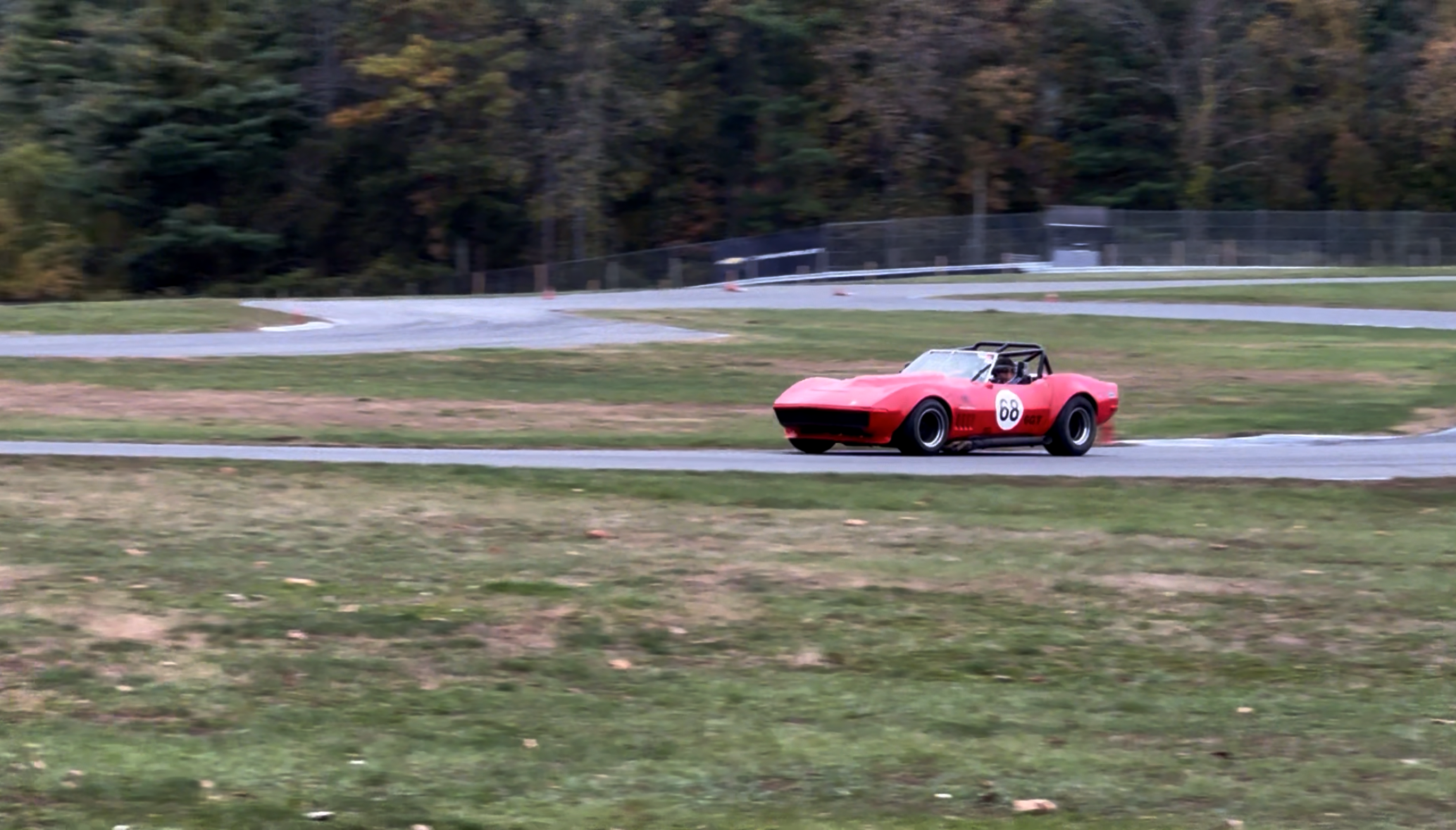
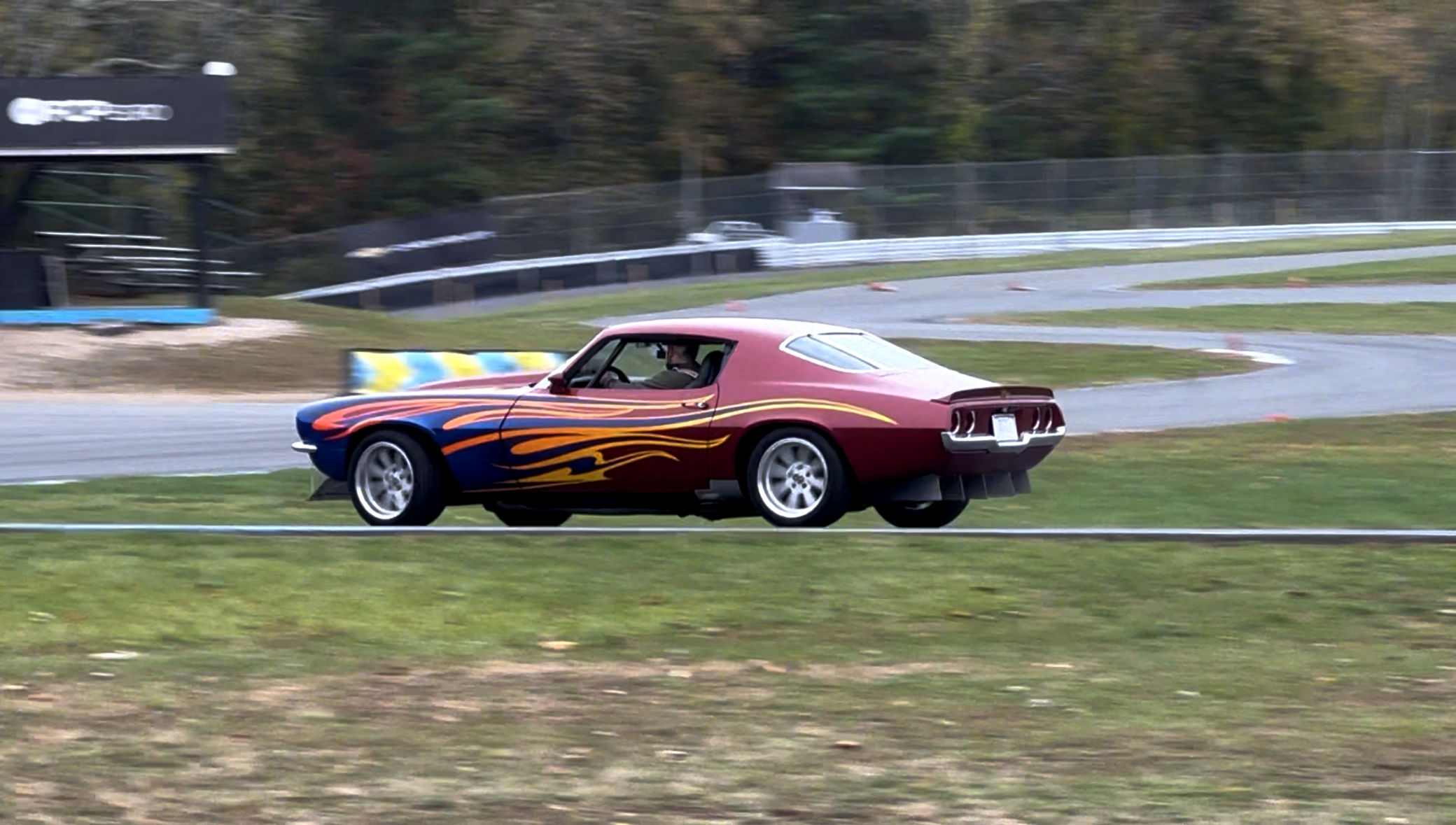
Talus Motorsports uses a short, tight course for track testing, where mechanical changes and set up adjustments can be optimized to produce faster comparable lap times. Each car is equipped with a GPS module, tablet, and camera to record telemetry, driver input, and on-track behavior for future improvements.

Timing

Racing Results

Car Best Lap (seconds)
Race Corvette 43.375
Mclaren 600lt 46.610
67 Mustang Coupe 48.437
71 Camaro 49.010
67 Camaro 50.45
Boss Mustang 50.640

As shown above, most of the cars are within a similar pack besides a few outliers like the Corvette. many different factors lead to this such as tires, weight, chassis, and suspension set up.

THE TRACK

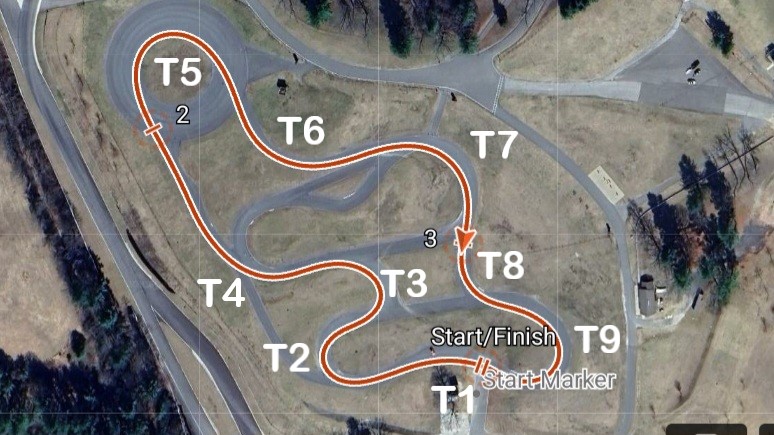
Lime Rock Layout

Lime Rock Track

The track is short yet fairly diverse. There are many different challenges throughout. The 2 most difficult Corners tend to be Turn 3 and Turn 5. turn 3 is a tight uphill turn with a grade reversal on exit.

FOOTAGE

Compare Lap Videos

Analysis

Vehicle Analysis

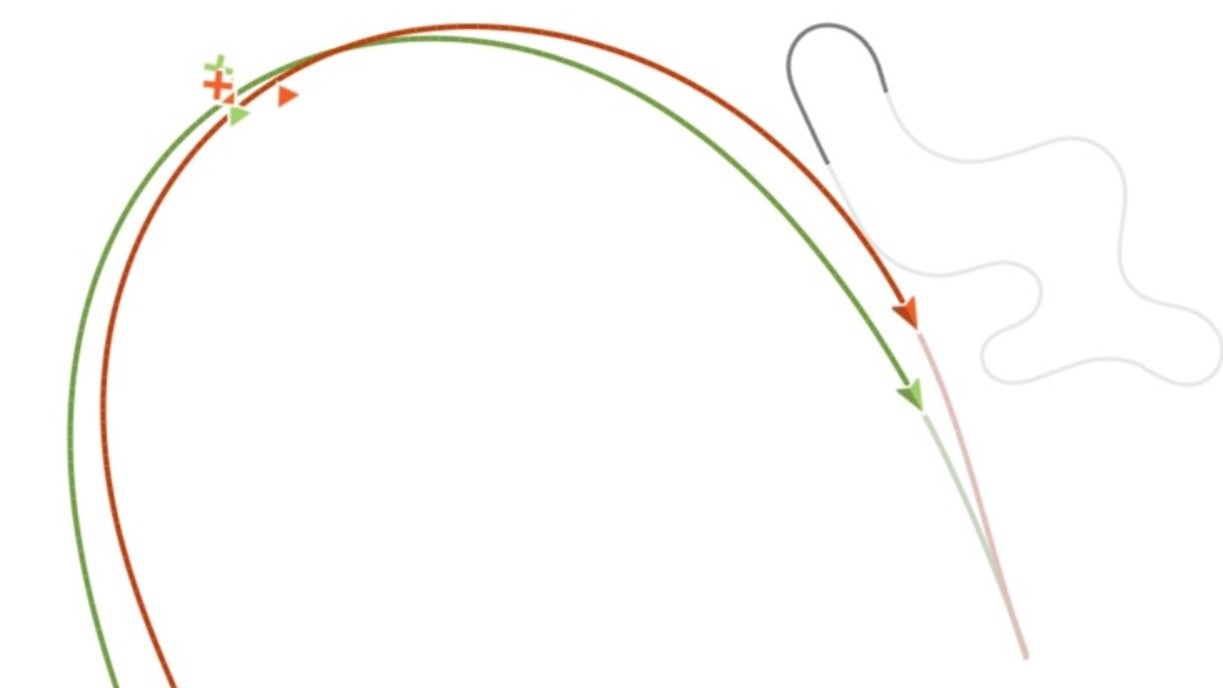
Turn 5 overlay showing ideal (green) vs current (orange) line with speed and lateral-G traces.

Selection

Featured Vehicle

Choose a vehicle to update telemetry and analysis below.

How the Car Preforms On Track

The C3 Corvette is the quickest car in the group, combining strong power with a chassis that carries speed extremely well through sustained corners. The 350ci small block produces immediate throttle response and strong acceleration, allowing the car to build speed quickly on corner exit and along straights. Once the car is settled in a corner, it maintains momentum easily and rewards early commitment to throttle. Through technical sections, the Corvette feels planted and predictable. The wide stance, low center of gravity, and racing-focused setup allow the car to stay composed under load, making it easier to place precisely on track. Rather than requiring constant correction, the chassis remains stable as grip builds, allowing the driver to focus on maintaining pace and positioning the car for strong exits.

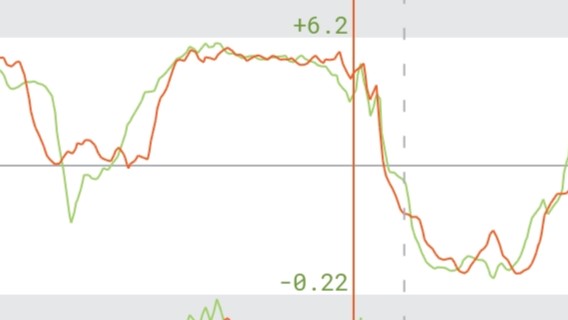
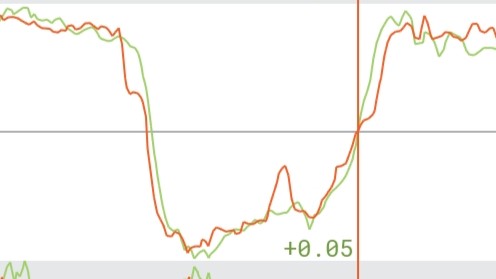
Turn 5 lateral g comparison
Figure 1 · Line choices

Why it preforms how it does

Much of the Corvette’s pace comes from the combination of a purpose-built race chassis and high levels of mechanical grip. The mono-spring suspension setup keeps the platform supported and predictable, allowing the car to accept load smoothly as lateral forces build. This gives the driver confidence to carry speed through longer corners without upsetting the chassis. Grip from Hoosier vintage race slicks further defines the car’s capability. Compared to more street-oriented tires, the slicks provide significantly higher mechanical grip and allow the car to sustain larger cornering loads. Combined with the responsive small-block engine and lightweight race configuration, the result is a platform that prioritizes stability, momentum, and repeatable lap pace.

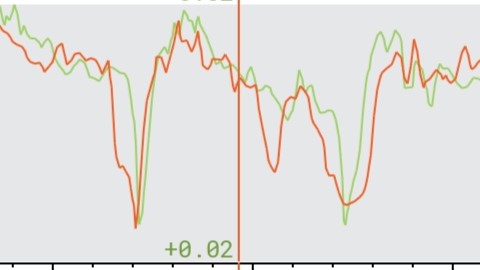
Turn 5 lateral g comparison
Figure 2 · Lateral Gs

Limits of performance

Despite its strengths, the Corvette still behaves like a traditional front-engine race car. The large front-mounted engine means weight transfer and balance must be managed carefully during corner entry, particularly when braking and turning simultaneously. If the car is pushed too aggressively before the front tires are fully loaded, the chassis can briefly resist rotation before settling into the corner. That said, the platform’s long racing history means many of these behaviors are well understood and manageable. The car performs best when the driver prioritizes smooth inputs and allows the chassis to build load progressively. Maintaining that balance allows the Corvette to fully exploit its grip and power advantages, which is ultimately what makes it the fastest car in the group.

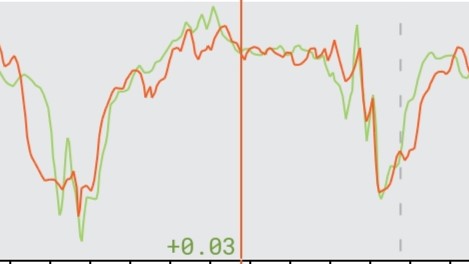
Turn 5 combined g comparison
Figure 3 · Combined Gs
Summary
  • Corner entry: open up more.
  • Corner exit: exit on a line that is good for the next corner.
  • Input: don't come in too fast, stay balanced, avoid dragging rear.
Turn 3 overlay showing ideal vs current line with speed and lateral-G traces.

Selection

Featured Vehicle

Choose a vehicle to update telemetry and analysis below.

Performance On Track

The Camaro’s defining characteristic on track is its straight-line strength and stable, momentum-based cornering style. The large-displacement 572ci V8 produces strong, immediate power, allowing the car to build speed quickly on corner exit and along straights. Once the car is pointed correctly, acceleration is one of its greatest advantages.

Turn 5 lateral g comparison
Figure 1 · Lines

Why it Preforms well

Much of the Camaro’s performance comes from the combination of large-displacement torque and a straightforward mechanical chassis setup. The 572ci V8 produces broad, usable power across the rev range, reducing the need for constant gear changes and making the car particularly strong when exiting slower corners. QA1 double-adjustable coilovers provide predictable load transfer and stable chassis support, while NITTO NT01 tires deliver dependable mechanical grip with clear feedback. Together, the drivetrain, suspension, and tire package create a platform focused on usable performance and driver confidence.

Turn 5 lateral g comparison
Figure 1 · Lines

Limits Of Performance

The Camaro’s size and engine mass can influence behavior in tighter sections of track. The front-biased weight and large engine can make the car feel heavier at turn-in, occasionally producing mild understeer if the corner is entered too aggressively. Because of this, the car performs best when entry speed is managed carefully and the chassis is aligned early. Improvements would likely focus on refining front-end response and overall chassis balance rather than increasing power, allowing the car to maintain its strong exit performance while improving rotation in technical sections.

Turn 5 lateral g comparison
Figure 1 · Lines
Summary
  • Corner entry: stay composed leaving Turn 2, avoid extra steering inputs.
  • Corner exit: prioritize being straight and settled over solely a minimum radius.
  • Input: use the outside of the track to keep the car stable on throttle.
Turn 3 overlay showing ideal vs current line with speed and lateral-G traces.

Selection

Featured Vehicle

Choose a vehicle to update telemetry and analysis below.

Performance On Track

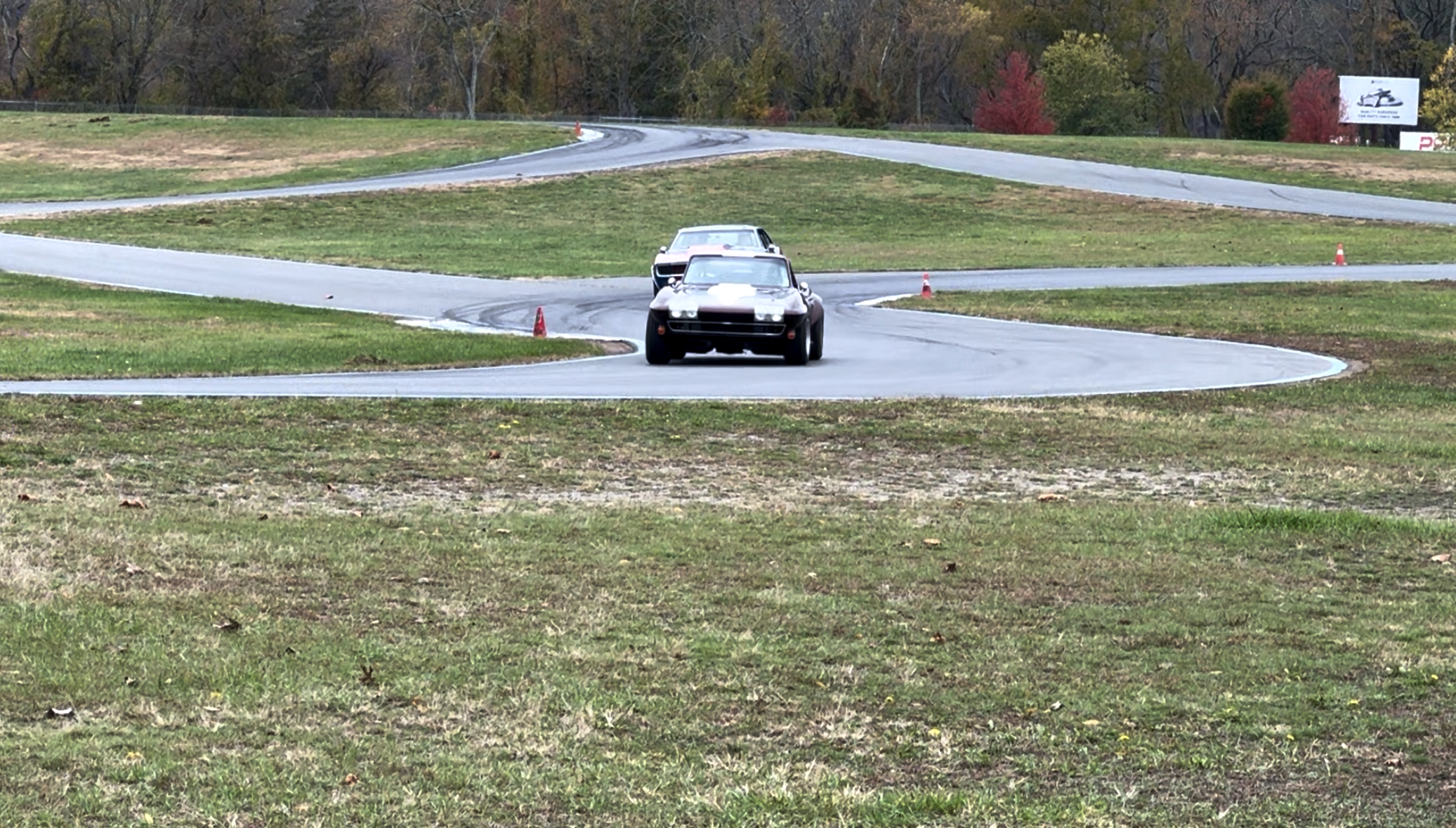
The 1966 Corvette is defined less by outright grip and more by the challenge it creates on track. With a large 454ci V8 and comparatively low-grip street radials, the car rewards patience, smoothness, and careful management of available traction. Rather than masking mistakes with excess grip, it forces the driver to work within a narrower performance window and be more deliberate with inputs. On track, the car performs best when momentum is preserved and the chassis is kept settled. The broad torque of the big block gives it strong acceleration potential, but the lower-grip tire package means that speed has to be built carefully and cleanly rather than forced through the corner.

Turn 5 lateral g comparison
Figure 1 · Lines

Why it Preforms well

Much of the car’s character comes from the contrast between its strong engine and relatively simple chassis setup. The 454 produces immediate low-end torque and broad usable power, which makes the car responsive without requiring constant shifting. In many sections, the driver can focus more on balance and grip management than on gear selection. At the same time, the mostly stock suspension and street-oriented tire package keep the car honest. Because the platform is not overbuilt for maximum grip, the driver gets clearer feedback about what the car is doing underneath them. That makes the Corvette especially valuable as a learning tool: it teaches restraint, throttle control, and smooth weight transfer rather than relying on outright mechanical advantage.

Turn 5 lateral g comparison
Figure 1 · Lines

Limits Of Performance

The Corvette’s main limitation is not power, but available grip. The lower-traction tire package reduces the margin for error and places a greater emphasis on managing weight transfer carefully through corner entry, mid-corner load, and throttle application on exit. If the car is overdriven, it will reach its limit earlier than the more track-focused cars in the group. That said, this is also what makes the car useful. Its slower pace is tied largely to setup choice rather than lack of capability, and the challenge it creates helps drivers develop precision and feel. Additional grip and chassis support would raise the performance ceiling, but in its current form the car succeeds by making the driver better, not by making the lap easier.

Turn 5 lateral g comparison
Figure 1 · Lines
Summary
  • Corner entry: stay composed leaving Turn 2, avoid extra steering inputs.
  • Corner exit: prioritize being straight and settled over solely a minimum radius.
  • Input: use the outside of the track to keep the car stable on throttle.