Racing

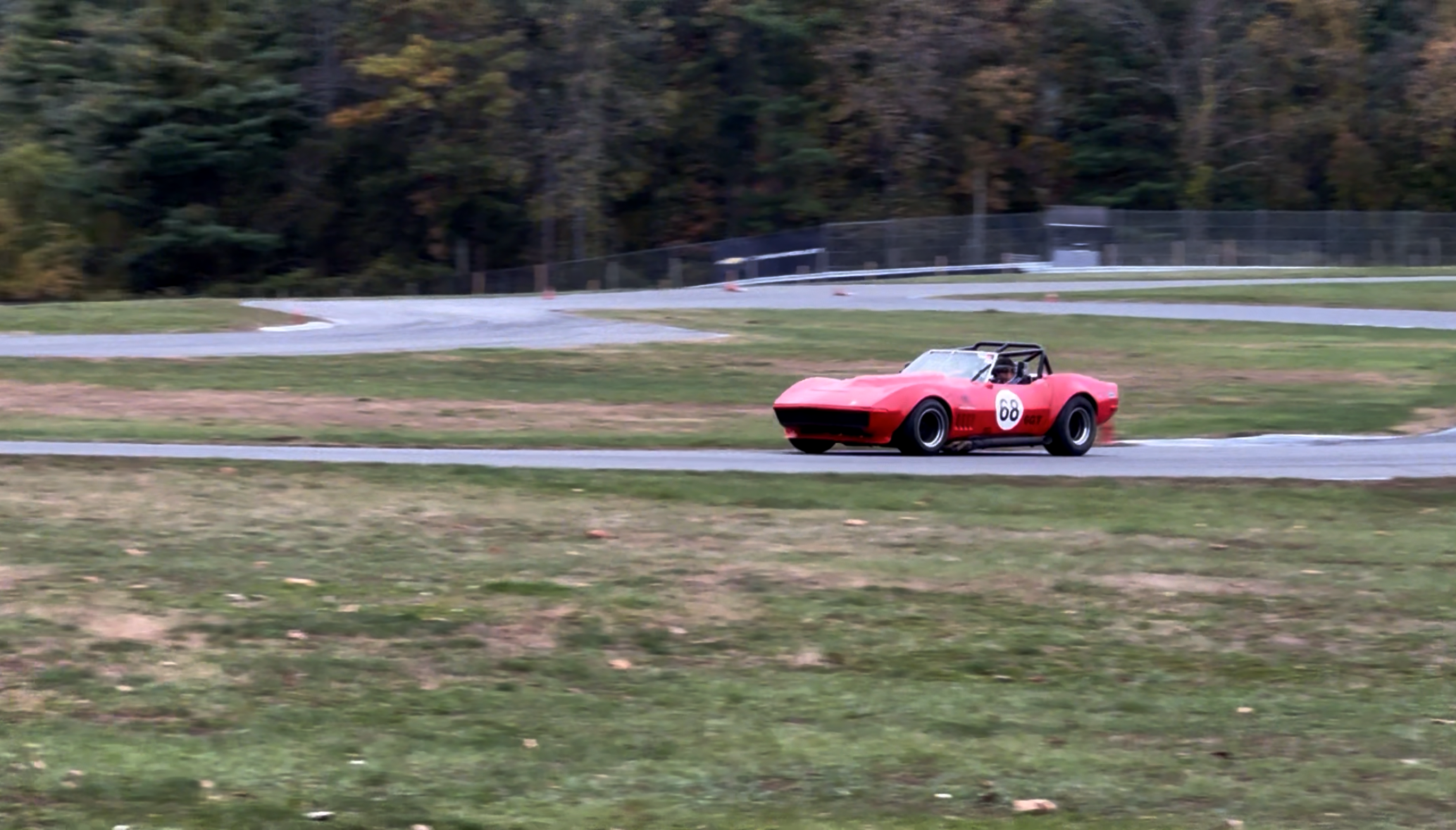
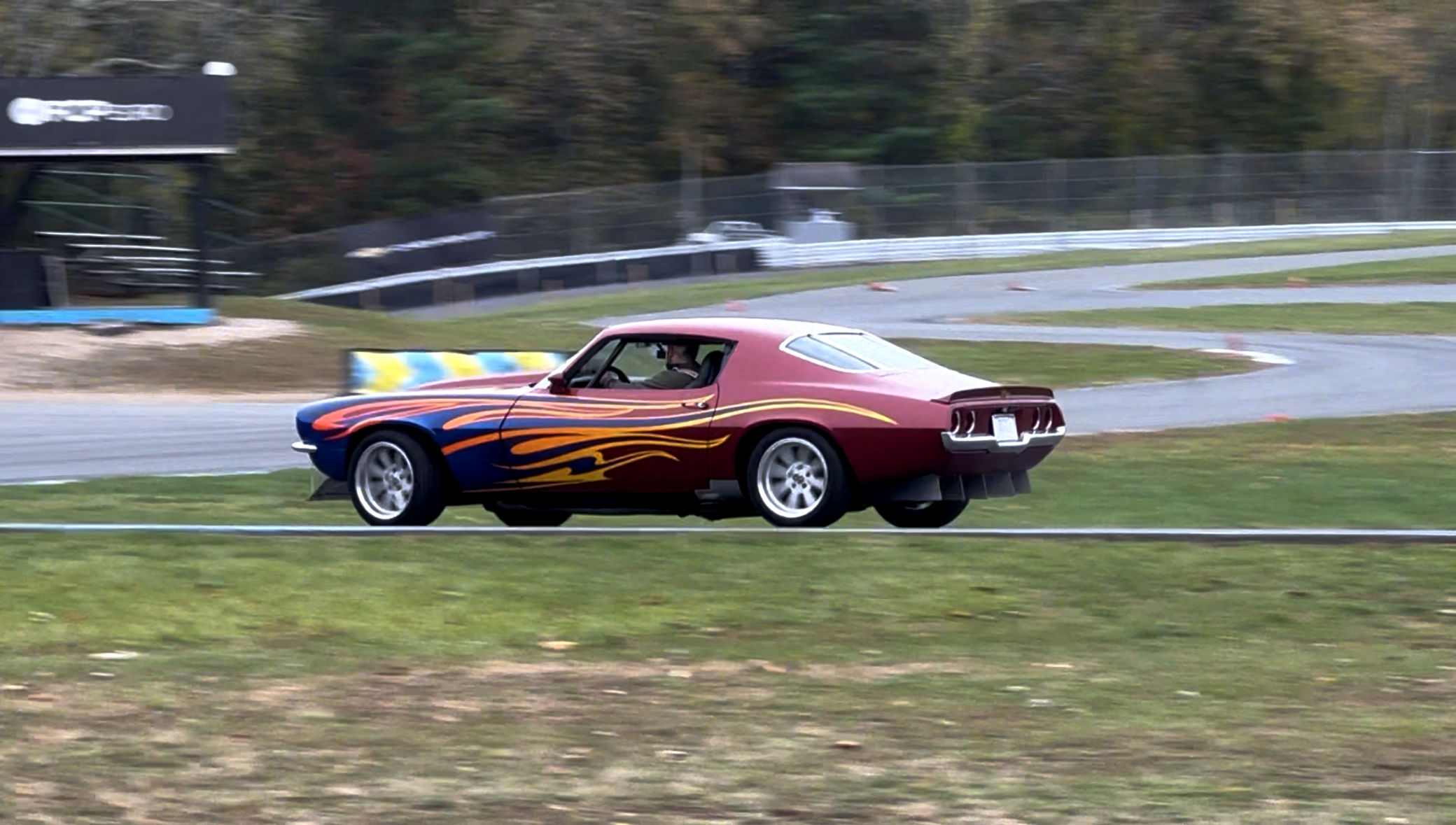
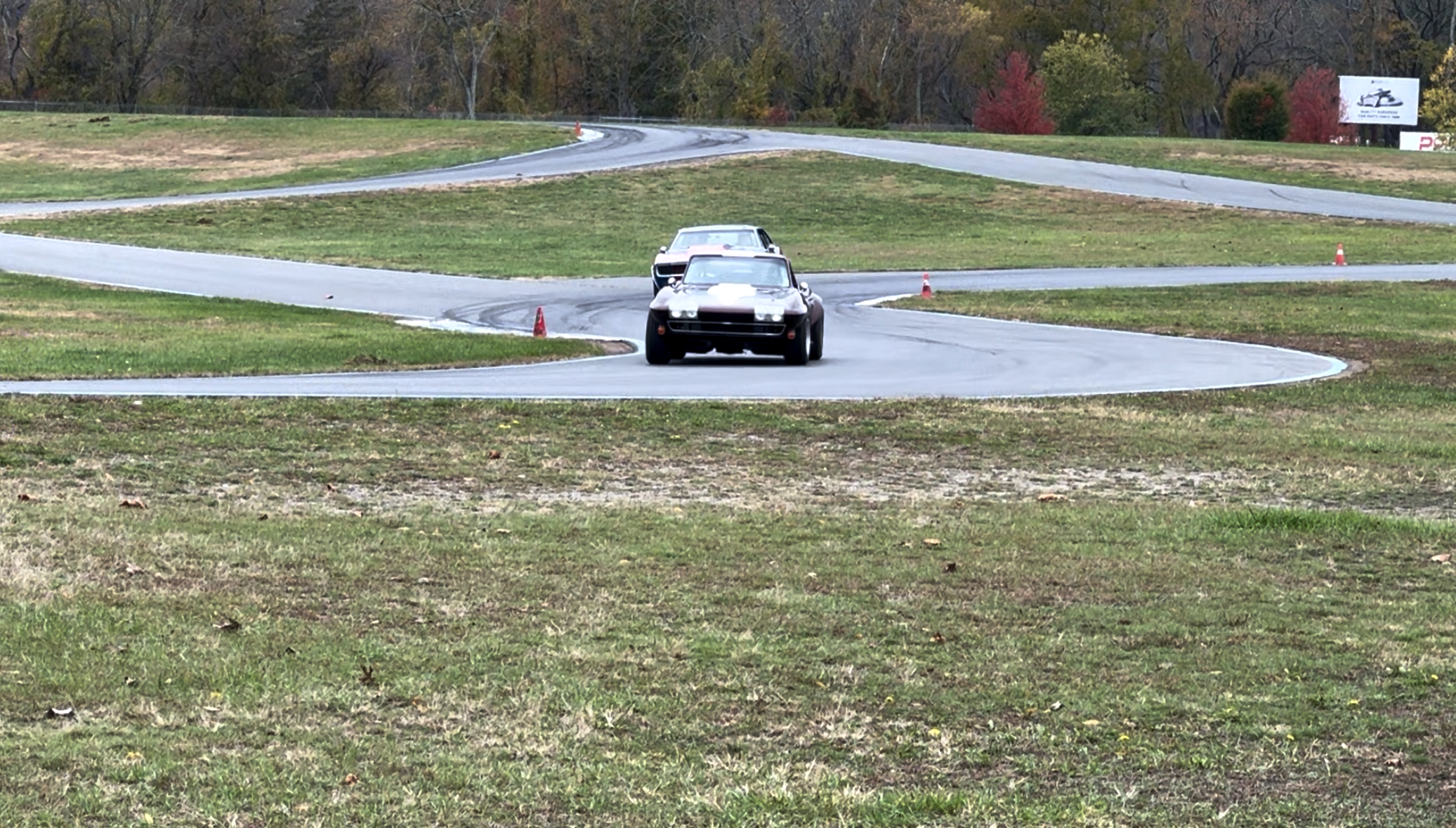
Racing lets us compete, connect, and have fun all at the same time. It's a humbling experience that pushes everyone to learn something new. Racing also lets us see what works, what doesn't, and what is the most enjoyable. each car is equipped with a gps module, a tablet, and a camera to record data.

Timing

Racing Results

Car Best Lap (seconds)
Race Corvette 43.375
Mclaren 600lt 46.610
67 Mustang Coupe 48.437
71 Camaro 49.010
67 Camaro 50.45
Boss Mustang 50.640

As shown above, most of the cars are within a similar pack besides a few outliers like the Corvette. many different factors lead to this such as tires, weight, chassis, and suspension set up.

THE TRACK

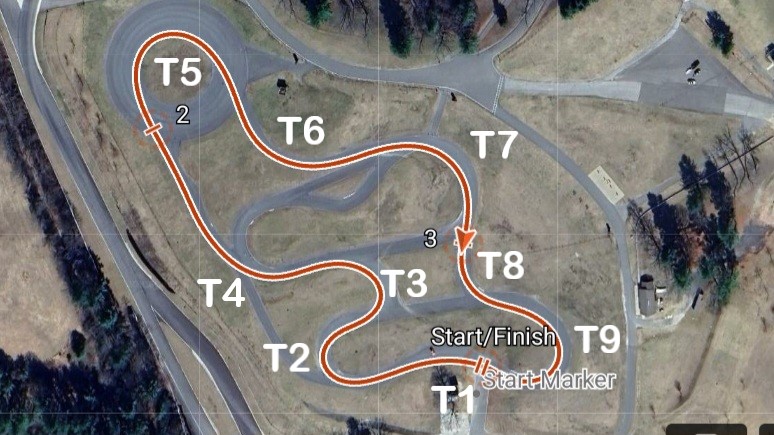
Lime Rock Layout

Lime Rock Track

The track is short yet fairly diverse. There are many different challenges throughout. The 2 most difficult Corners tend to be Turn 3 and Turn 5. turn 3 is a tight uphill turn with a grade reversal on exit.

FOOTAGE

Compare Lap Videos

Analysis

Turn By Turn Breakdowns

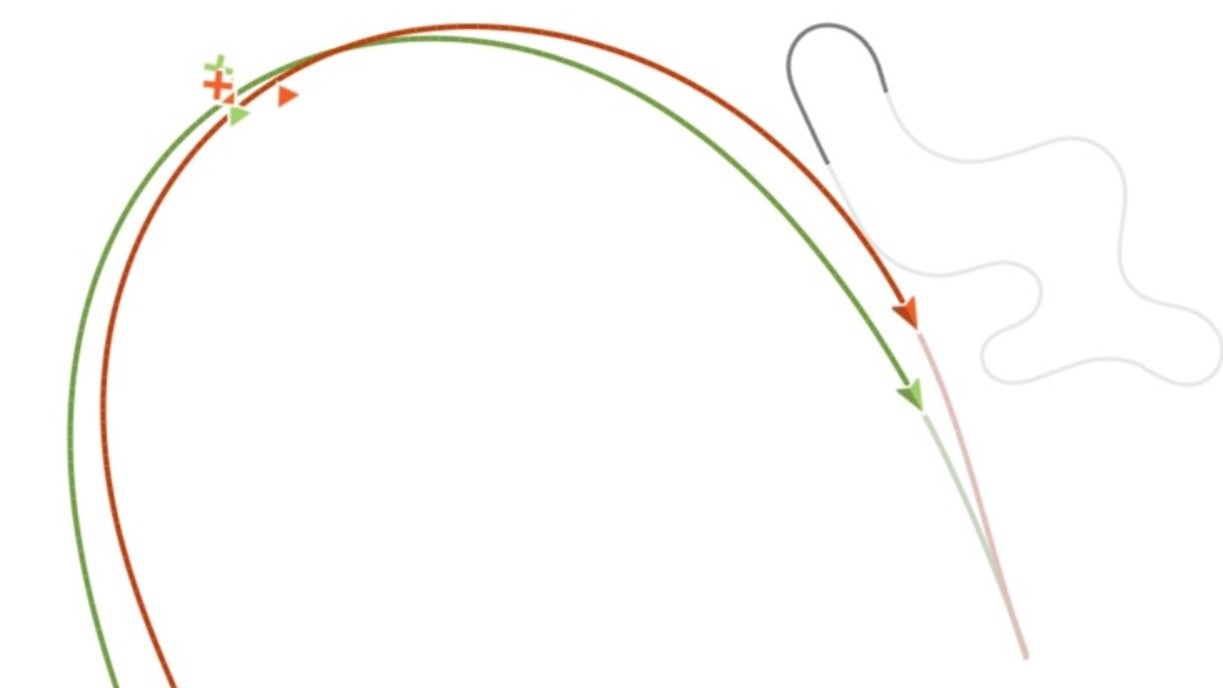
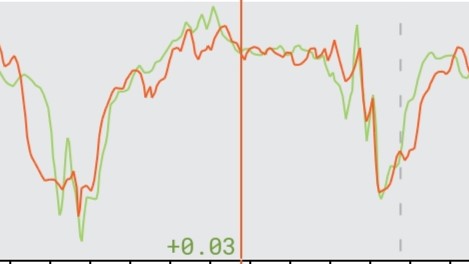
Turn 5 overlay showing ideal (green) vs current (orange) line with speed and lateral-G traces.
Section:

Here we have 2 drivers, green and red. Green is our faster time. Turn 5 is a long full 180 degree turn. It requires good balance and trajectories. It is inherently harder to get through the corner on a wrong line.

Line Choice

Green uses a wider entry, increasing corner radius and maintaining speed through the apex. Red enters faster but turns in late, tightening the radius and forcing deceleration mid-corner. This late turn-in causes backtracking on exit, while Green’s parallel entry and exit lines allow earlier rotation, a cleaner exit, and better setup for the next corner.

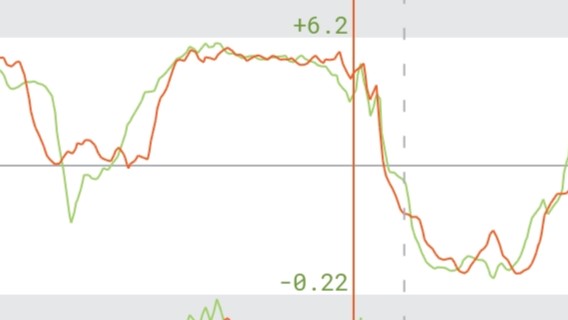
Turn 5 lateral g comparison
Figure 1 · Lines

Weight Balance

Weight transfer is where or how we load our suspension. This is directly related to line choice as well as throttle and braking control. If we look at the first valley in our lateral g graph, we notice green's slope is significantly smoother and more mellow than red's. The steepness of the slope is the rate at which we transition our weight into the corner. On a longer corner where we're testing max lateral gs, transferring our weight for the corner sooner rather than later matters more. By getting our suspension set before the corner, we don't get a sharp body roll while trying to max our lateral g. This helps us preserve traction.

Turn 5 lateral g comparison
Figure 1 · Lines

Throttle and Braking

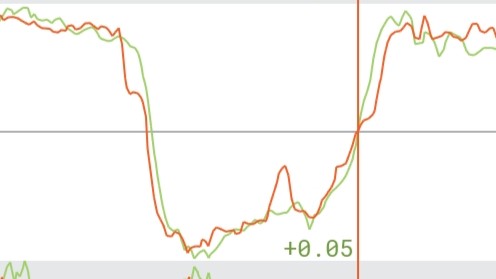
The throttle and brake aren’t just speed controls, they’re steering tools. They shift the car’s weight and help the front tires bite as you enter a corner. This is why trail braking matters. Instead of finishing all your braking before turn-in, you carry a little brake pressure into the corner. The braking force gradually tapers off as you approach the apex. Doing this loads the front tires, sharpens turn-in, and helps prevent initial understeer, especially in rear-wheel-drive cars. After the apex, the goal is to transition smoothly from brake to throttle. Reintroducing throttle stabilizes the rear and lets you unwind the wheel as you exit. Even though the technique takes practice, the fundamentals apply at every skill level.

Turn 5 lateral g comparison
Figure 1 · Lines
Summary
  • Corner entry: open up more.
  • Corner exit: exit on a line that is good for the next corner.
  • Input: don't come in too fast, stay balanced, avoid dragging rear.
Turn 3 overlay showing ideal vs current line with speed and lateral-G traces.
Section:

Turn 3 is our most complex turn. It has roughly 15 feet of elevation change and a harsh grade reversal at the top. On this turn we see a reversal of some trends from Turn 5.

Line Choice

In this section, the faster lap (green) takes a noticeably tighter entry into Turn 5. The main reason is the grade reversal at the crest. Approaching the top, the priority is to have the car straight and settled when it unloads. By entering slightly more inside, the green line can exit toward the outside in one smooth arc, keeping the chassis stable as it crosses the crest. If the car is still turning across the top, the sudden weight unload can cause the rear to step out under throttle. The green line avoids this by maintaining a consistent trajectory from entry to exit, eliminating the need to reset steering mid-corner and allowing for an earlier, more confident throttle application.

Turn 5 lateral g comparison
Figure 1 · Lines

Weight Balance

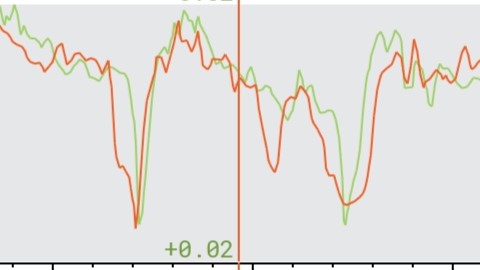
Through this section, the faster lap (green) manages weight balance far more effectively. On entry, the front tires are loaded smoothly, which shows up as a more consistent rise in lateral G and gives the car predictable front-end bite at turn-in. As both laps climb toward the crest, the suspension begins to unload, and this is where the difference becomes obvious. Green is already pointed close to its exit trajectory, so it crosses the top with minimal steering angle and a neutral weight distribution. Red, meanwhile, is still asking the car to turn as it becomes light, causing the front to momentarily lose grip before snapping back the spikes in lateral G make that clear. That instability forces Red into a wider arc and delays throttle application. Once the chassis compresses again after the crest, Green is able to load the rear tires cleanly and get back to power earlier, while Red is still waiting for the car to settle. The result is a smoother, more predictable weight transfer for Green, and a clear advantage in exit speed.

Turn 5 lateral g comparison
Figure 1 · Lines

Throttle and Braking

The brake and throttle inputs played a major role in the difference between laps. On entry, green carries its braking smoothly into the corner, using trail braking to load the front tires and rotate the car without shocking the chassis. Red’s higher tire pressures make this transition harsher, which shows up as sharp lateral-G spikes where grip is momentarily lost. Mid-corner, this instability forces red to delay throttle application, while green is able to unwind the wheel and reintroduce power earlier. The cleaner brake-to-throttle transition on the green lap keeps the car balanced, stable over the crest, and able to accelerate sooner.

Turn 5 lateral g comparison
Figure 1 · Lines
Summary
  • Corner entry: stay composed leaving Turn 2, avoid extra steering inputs.
  • Corner exit: prioritize being straight and settled over solely a minimum radius.
  • Input: use the outside of the track to keep the car stable on throttle.

Key Takeaways

Core habits that consistently make the cars faster and more predictable.

  • Line Choice

    Smooth is fast.

  • Throttle Balance

    Stay smooth on the throttle, avoid too much input exiting corners.

  • Gear & Powerband

    Stay where the car makes power, have power available when needed.

  • Steering Input

    Let the wheel give you feedback on how the car handles the road.

  • Tires

    Tires are the only part of the car that touches the road. You’re as strong as your weakest link.

  • Time In

    Nothing replaces seat time. You have to experience it to learn.

>