Talus MotorSports
1 / 8
BACKGROUND
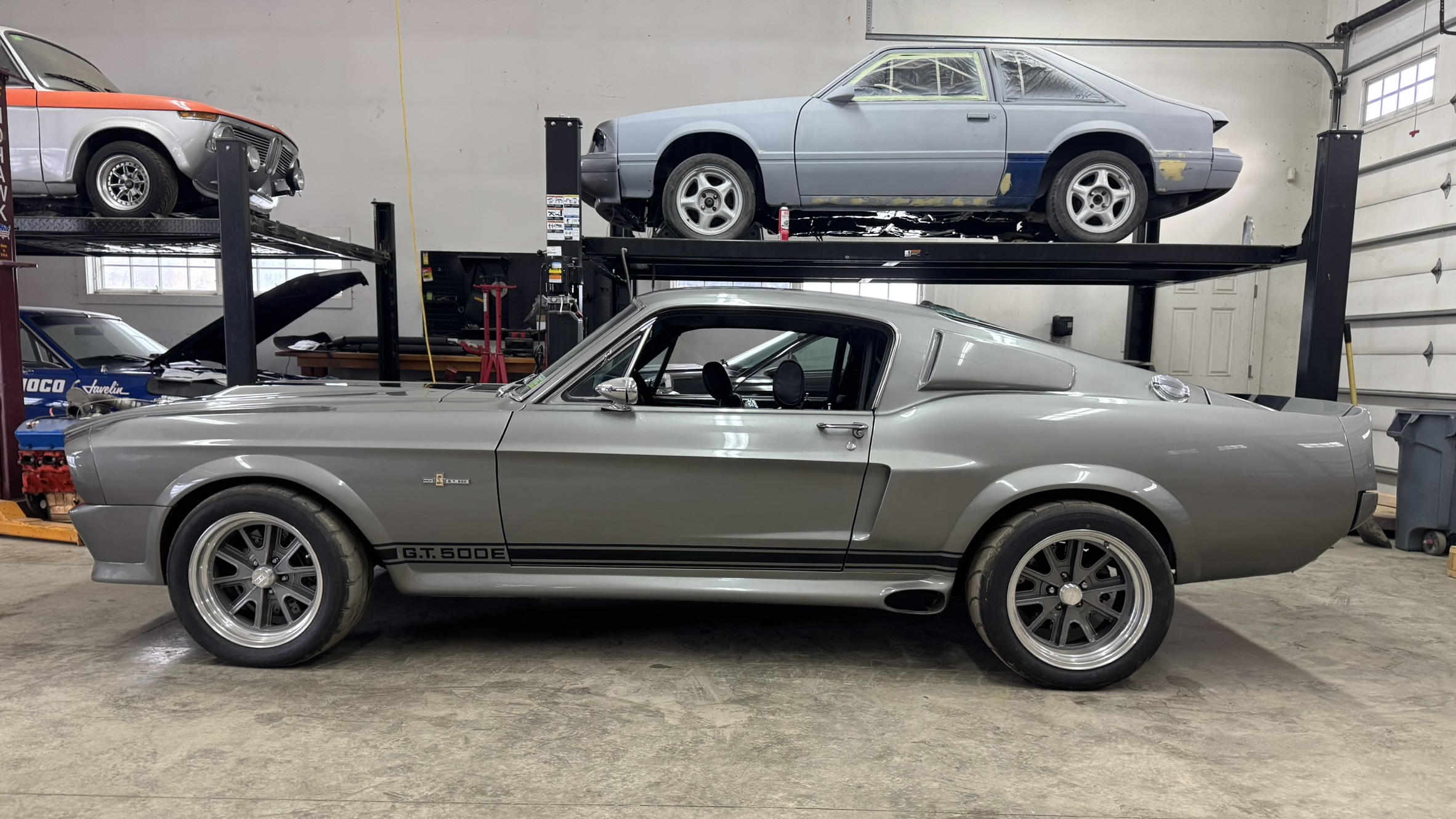
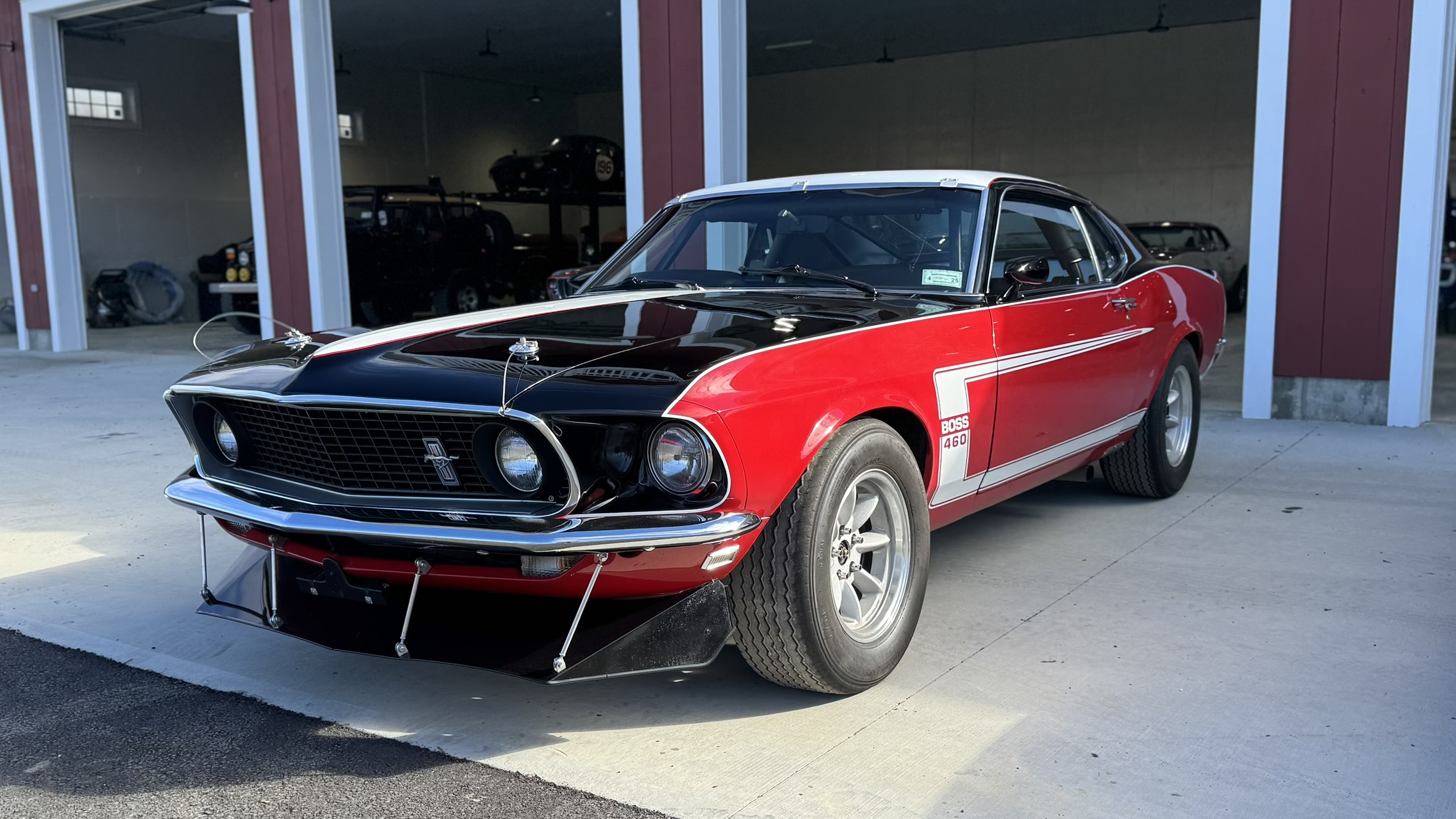
The first-generation Mustang fastback is one of the most influential American performance car designs, originally conceived as a lightweight, affordable platform that could serve both street and competition roles. Its long hood, short deck proportions and unibody construction made it adaptable to a wide range of engines and suspension configurations, allowing it to evolve quickly from a stylish road car into a legitimate motorsports platform. Over time, the fastback body style became closely associated with road racing and high-performance variants, valued for both its rigidity and aerodynamic advantages compared to the coupe
This particular car represents a modern interpretation of that platform, emphasizing function over originality. Rather than preserving period-correct components, the build focuses on addressing the inherent limitations of the original chassis through wider track width, modern tire technology, and revised suspension geometry. Within the context of this project, the car is significant because it demonstrates how a historically important platform can be re-engineered to deliver contemporary levels of grip, stability, and driver confidence, while still retaining the visual identity that made it iconic.

MODIFICATIONS
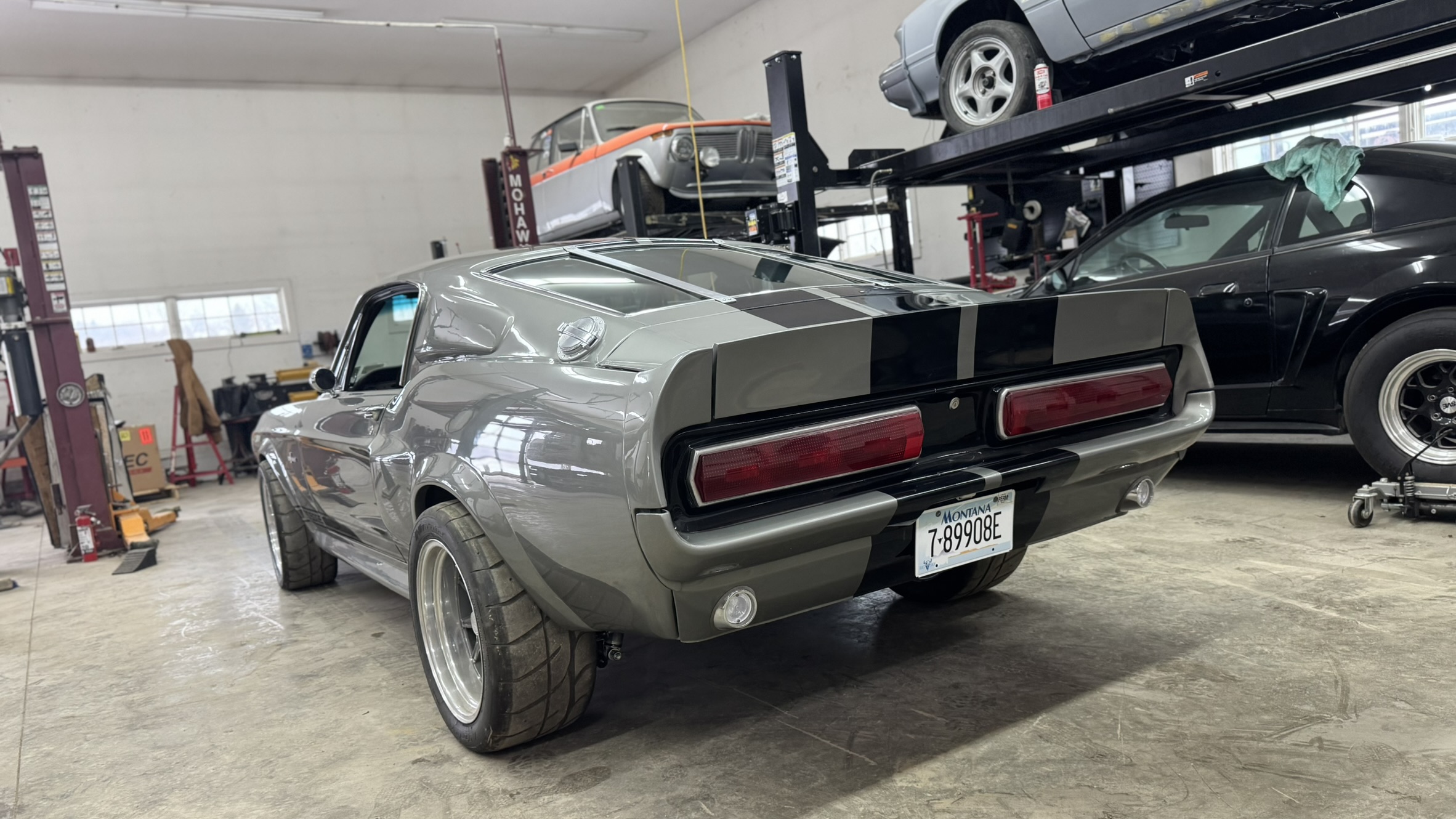
At the core of the build is a procharged V8, providing a broad, linear increase in power without sacrificing drivability. Unlike a more aggressive forced-induction setup, the centrifugal supercharger delivers boost progressively with engine speed, allowing the car to remain predictable under throttle while still producing strong top-end performance. This approach suits a road-course–focused application, where controllable power delivery and traction management matter more than peak numbers.
To handle both the added power and the demands of aggressive driving, the chassis has been significantly revised. The car now features a modern four-link rear suspension, replacing the original rear geometry to better control axle movement under load. Combined with a wider track, modern wheels, high-performance tires, and a lowered ride height, the updated suspension improves rear stability, traction, and power delivery. These changes fundamentally alter how the car behaves, allowing it to put power down more effectively while remaining composed during high-load transitions.
DRIVING
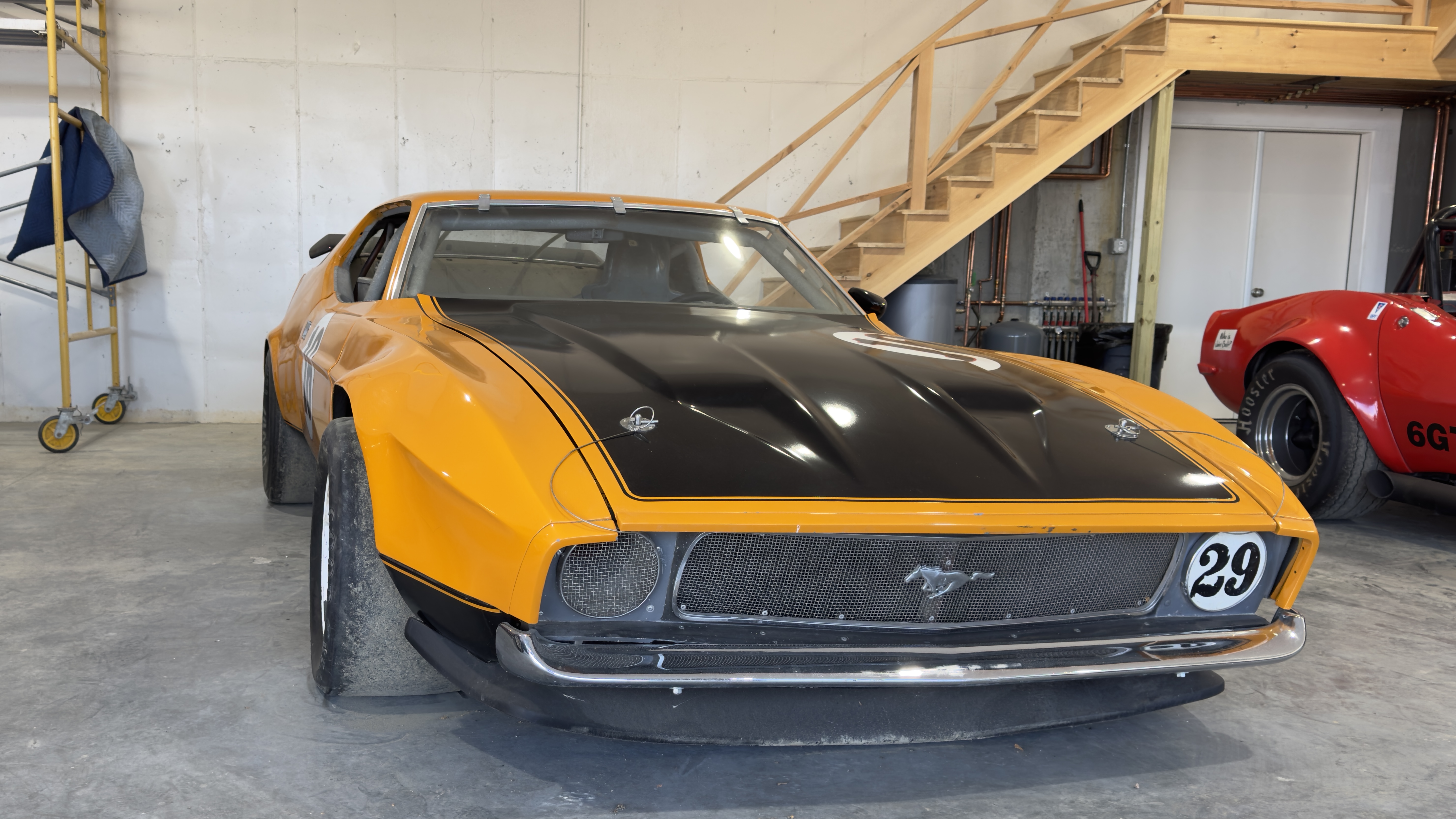
On track, the Mustang feels focused and uncompromising. Inputs are direct, and the car responds immediately to steering and throttle changes. The lightweight bodywork and race-specific setup give it a sense of urgency that is absent in production-based cars.
Despite its physical size, the car feels nimble and stable at speed, with strong chassis feedback and predictable behavior through fast corners. The driving experience is defined by precision and commitment, rewarding smooth inputs and confidence rather than correction or hesitation.