Talus MotorSports
1 / 8
BACKGROUND
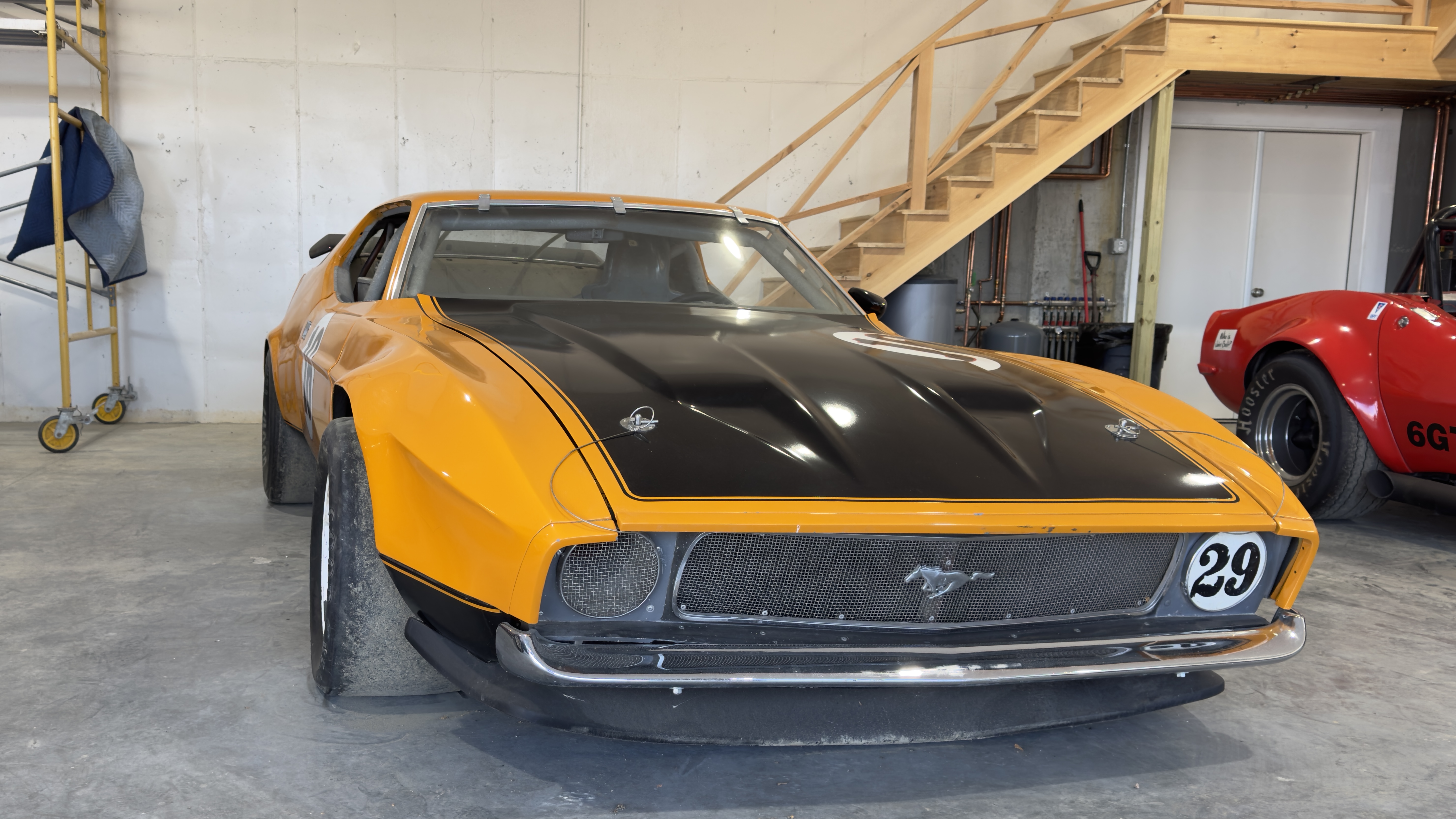
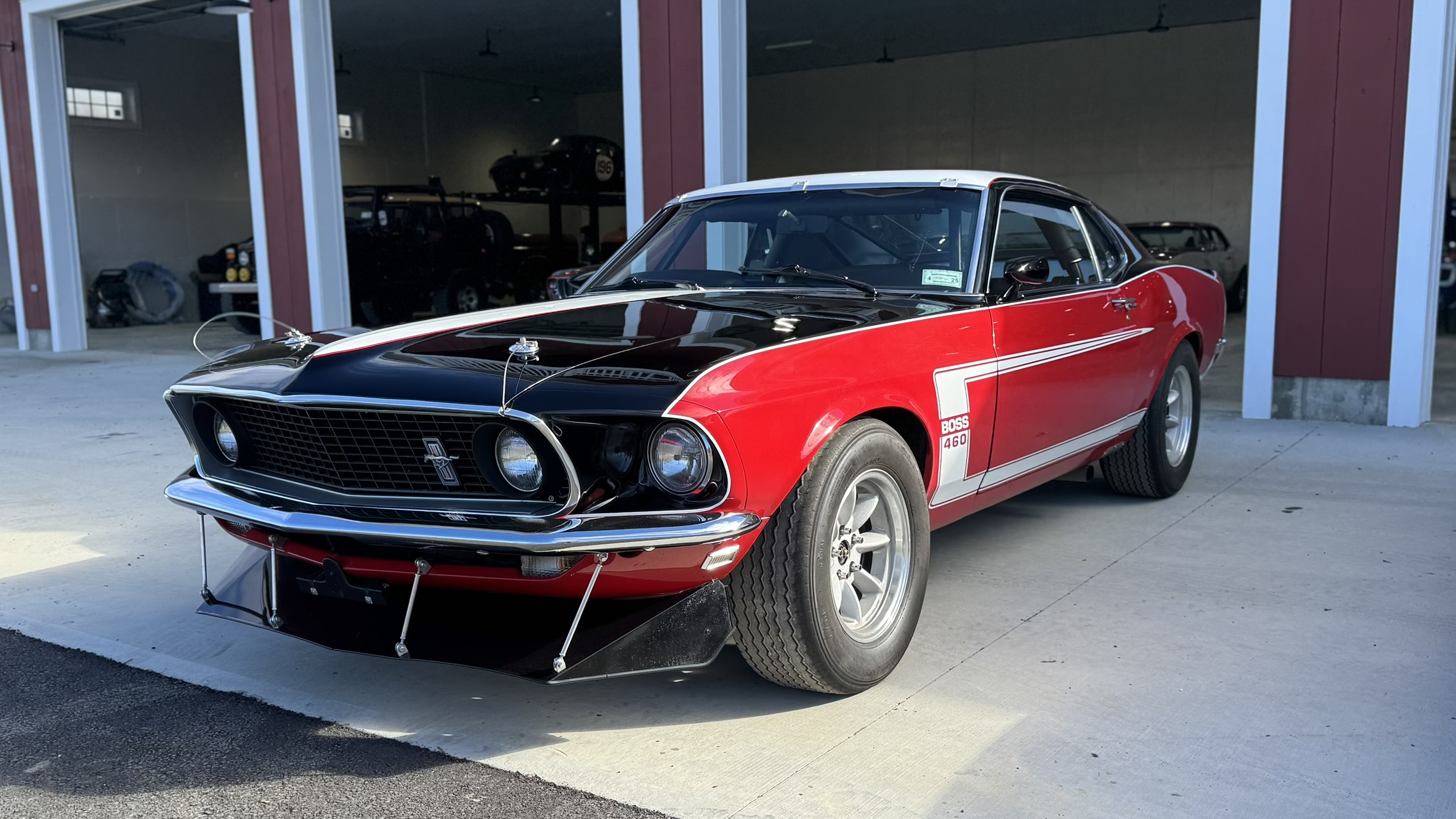
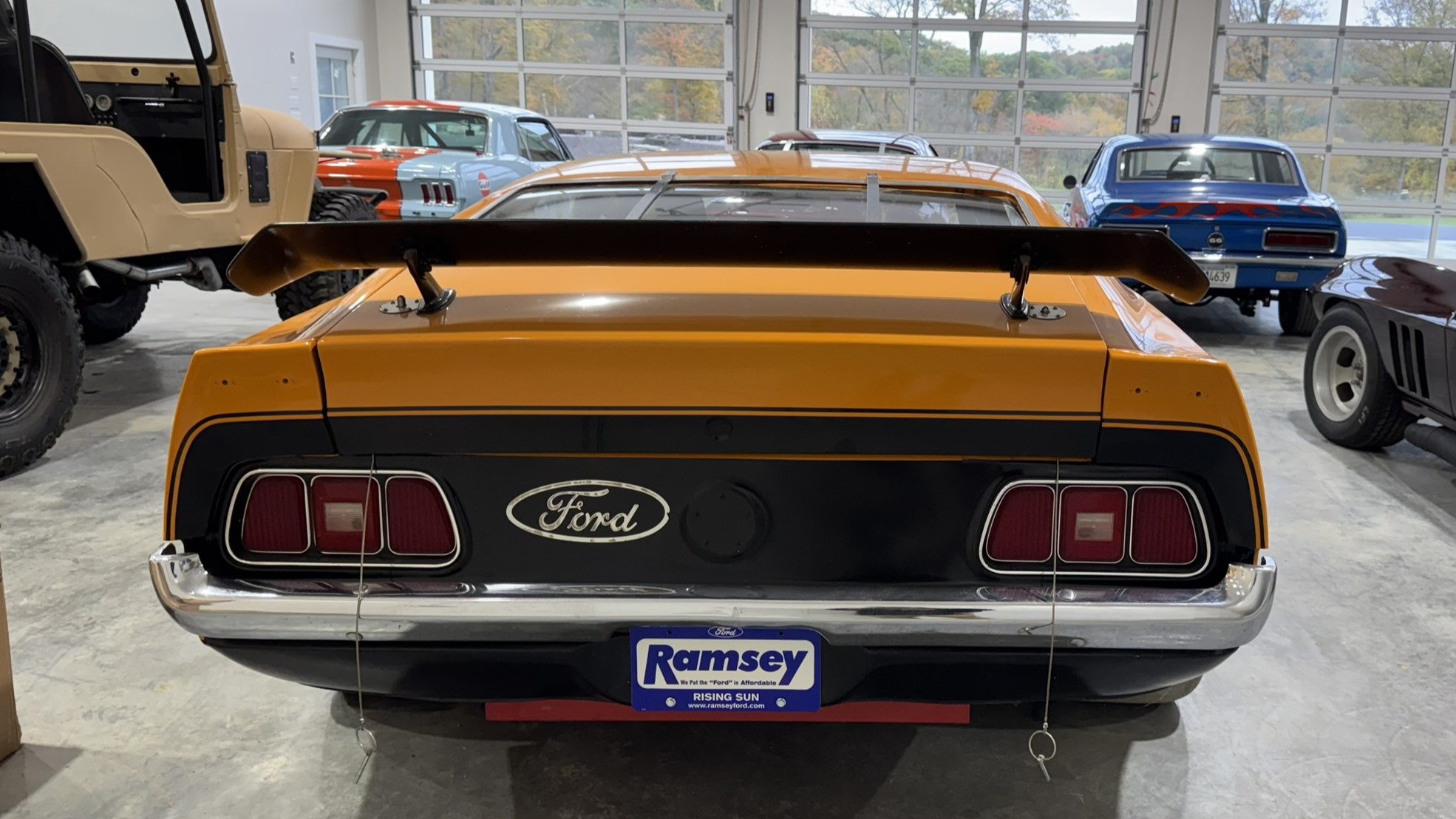
This Mustang was originally owned and campaigned by Ed Hinchliff and his team, Hinchliff Racing. Although privately run, the car was built around a factory Ford chassis, with key components sourced through Kar-Kraft, Ford’s in-house racing engineering partner. This provided access to genuine factory racing hardware while remaining a true privateer effort. The body was heavily modified for competition, featuring custom fiberglass quarter panels and race-specific aerodynamic elements designed to support wider tires and improve high-speed stability. The resulting shape gives the car a distinctive, period-correct appearance that reflects the experimental nature of top-level Trans-Am racing.
The car competed in Trans-Am Category 1, the series’ premier class, where it faced full factory-backed teams and the strongest privateer entries of the era. Its best documented result was an 11th-place finish at Trois-Rivières in a championship event, achieved against a competitive 29-car field on one of the most demanding circuits on the Trans-Am calendar.
MODIFICATIONS
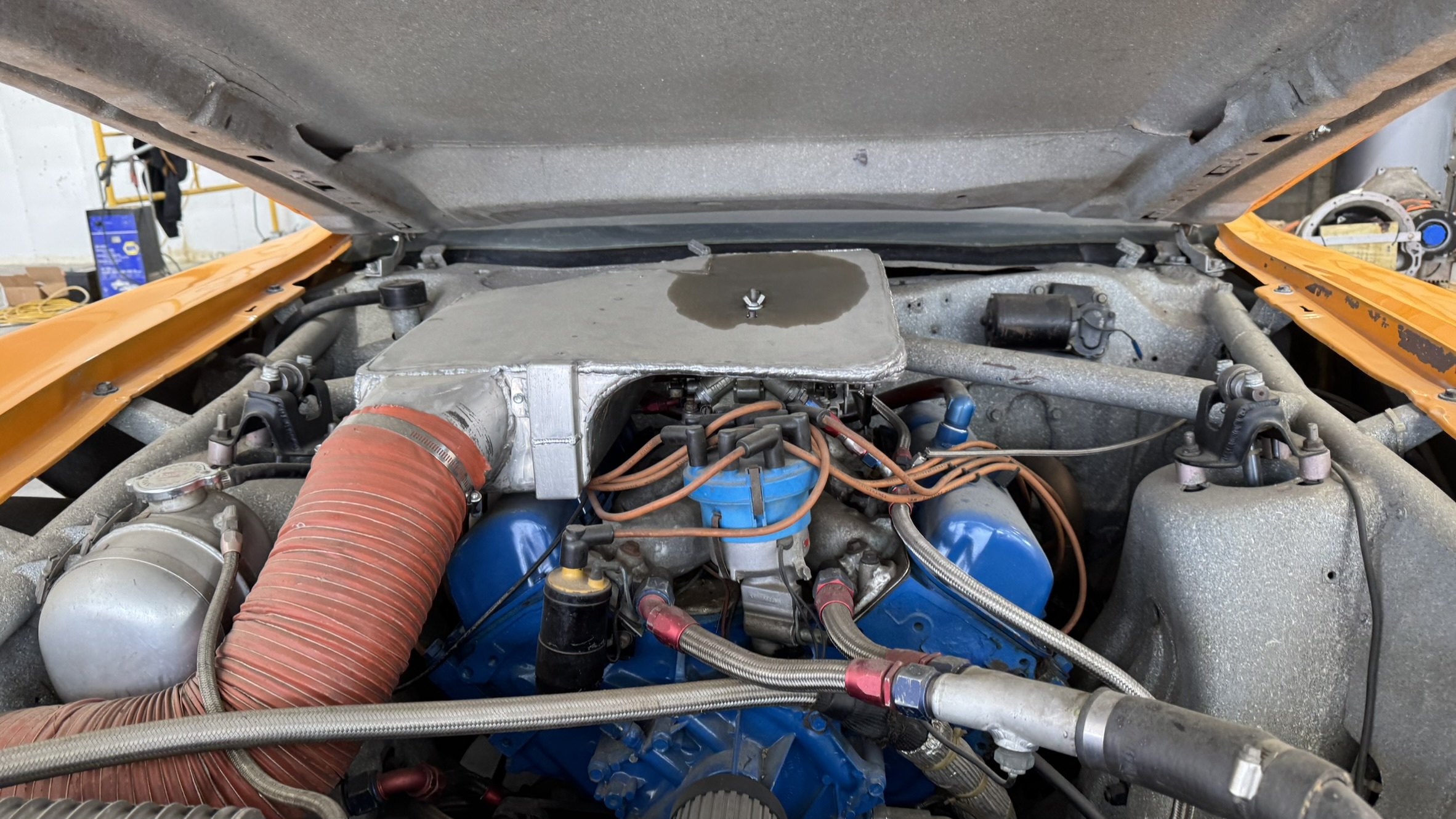
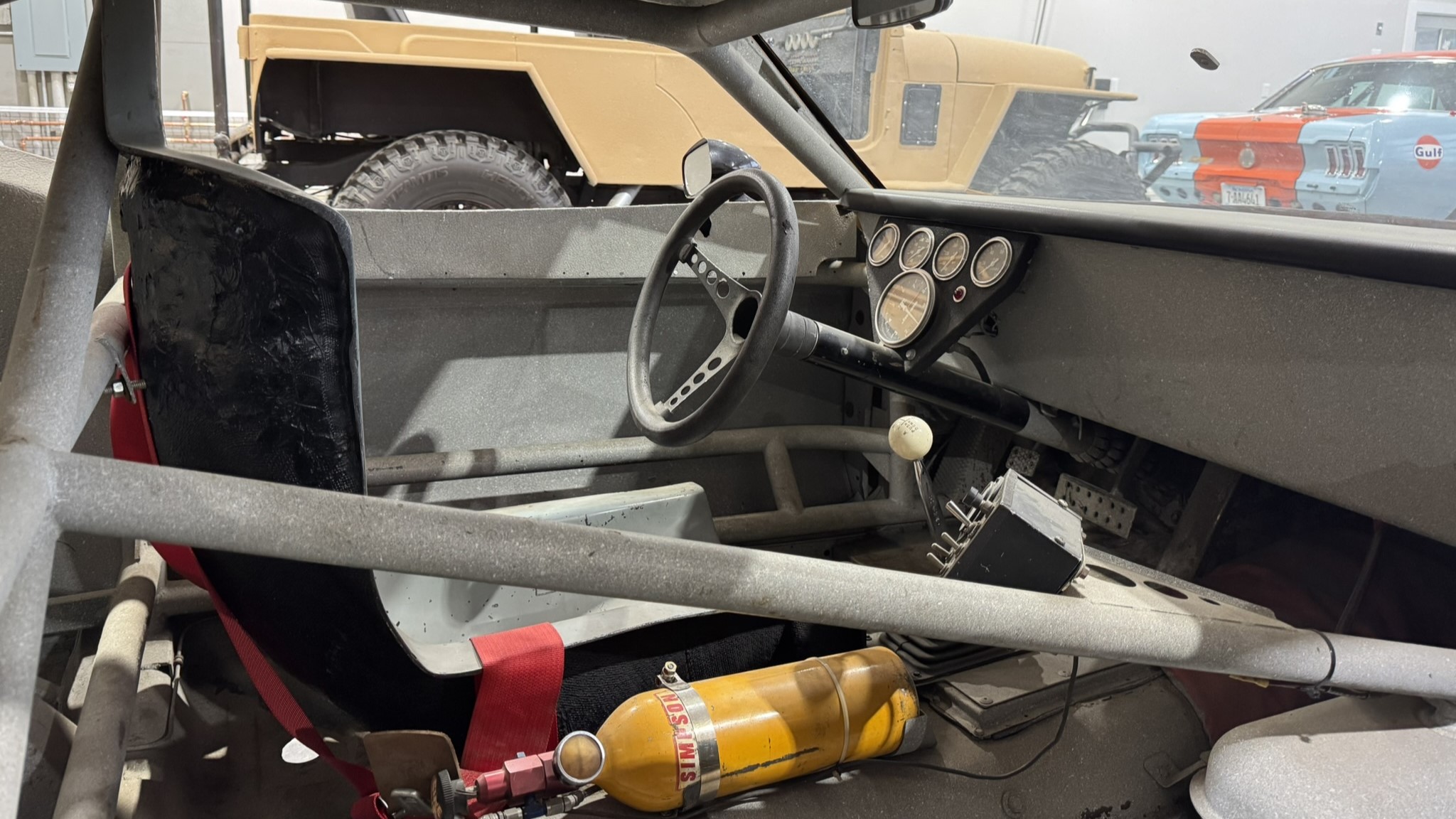
To compete in Category 1, the Mustang was modified extensively beyond production specifications. The body incorporates one-off fiberglass quarter panels and additional race-specific panels designed to reduce weight and support wider track widths. Many of the mechanical components reflect Kar-Kraft influence, emphasizing durability and performance under sustained race conditions.
Power comes from a Windsor-based 351 V8, configured for competition use. The engine features a dry-sump oiling system, sealed intake plenum, four-barrel carburetor, and long-tube headers. The dry-sump system allows consistent oil control under high lateral loads and supports sustained high-rpm operation, making the engine well suited for long, high-speed road course sessions.
DRIVING
On track, the Mustang feels focused and uncompromising. Inputs are direct, and the car responds immediately to steering and throttle changes. The lightweight bodywork and race-specific setup give it a sense of urgency that is absent in production-based cars.
Despite its physical size, the car feels nimble and stable at speed, with strong chassis feedback and predictable behavior through fast corners. The driving experience is defined by precision and commitment, rewarding smooth inputs and confidence rather than correction or hesitation.