Talus MotorSports
1 / 8
BACKGROUND
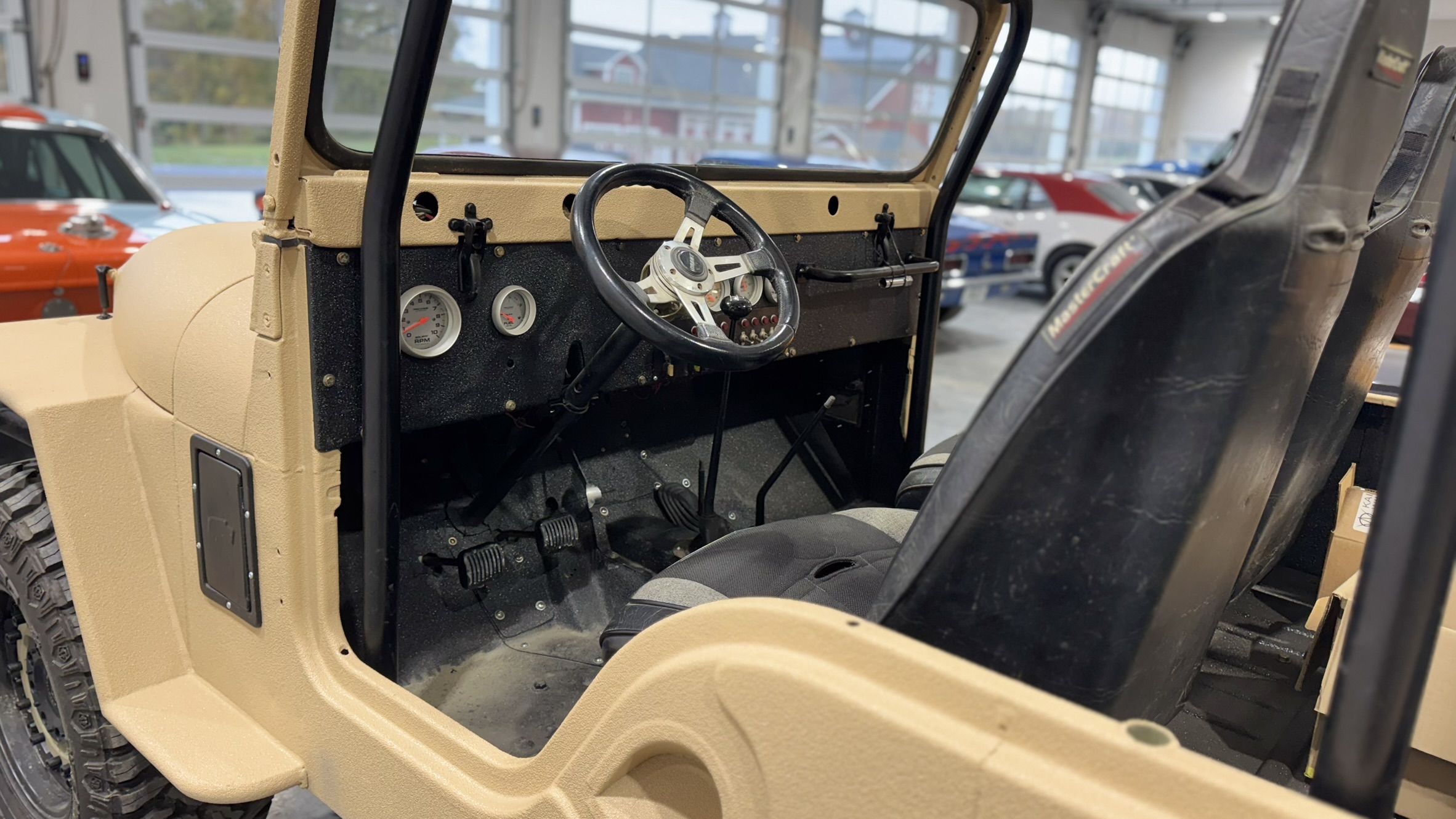
Originally built in 1966, this Jeep comes from a period when four-wheel-drive vehicles were designed as tools first and road cars second. Early Jeeps prioritized simplicity, visibility, and mechanical access, making them well suited for work, trail use, and environments where reliability mattered more than comfort.
This example has been updated over time to remain usable and relevant while preserving the direct, no-nonsense character that defines early Jeeps. It isn’t presented as a restoration or a period artifact, but as a functional evolution of the original platform—one that still reflects the intent of the vehicle it started as.

MODIFICATIONS
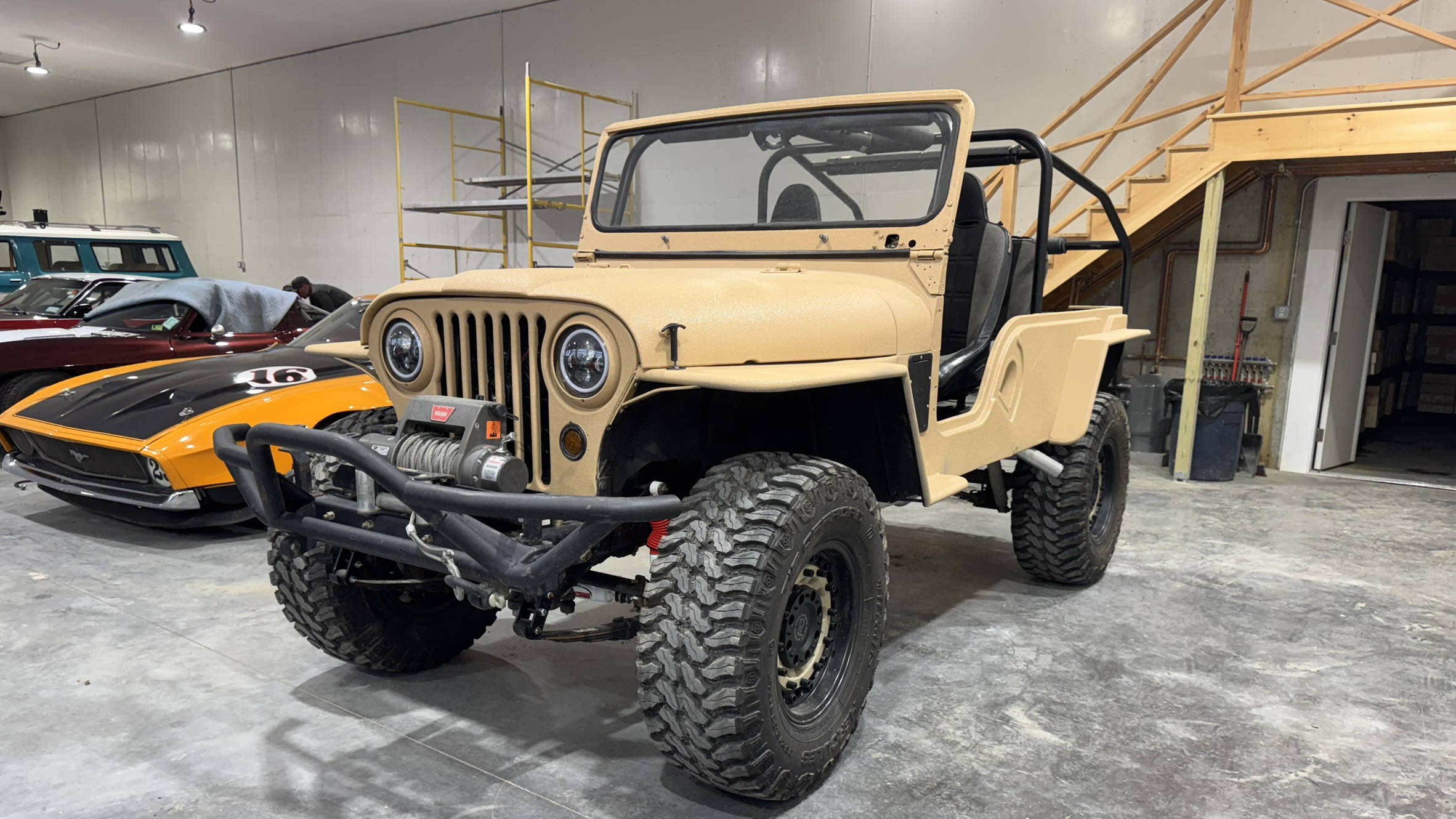
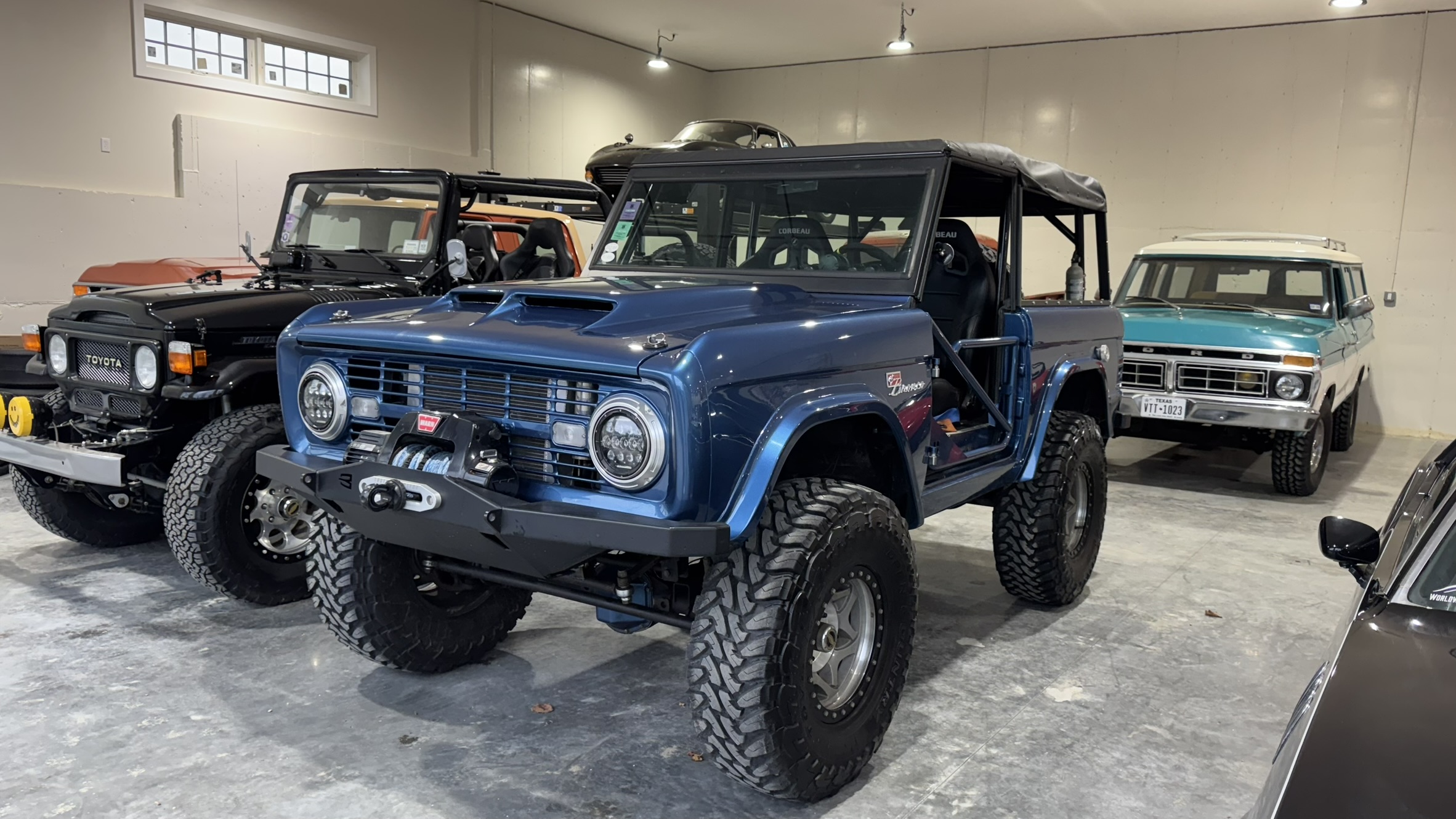
The Jeep has been modified with off-road use in mind, focusing on strength, clearance, and control rather than appearance. Suspension and wheel changes allow for significantly larger tires, improving approach angles and obstacle clearance while expanding the range of terrain the vehicle can comfortably handle.
A reinforced front bumper and integrated winch add practical recovery capability, reinforcing the vehicle’s role as something meant to be used rather than displayed. The open cabin and simplified interior maintain easy access and visibility, staying true to the Jeep’s utilitarian roots while supporting modern off-road expectations.
DRIVING
Driving the Jeep is a tactile, engaging experience. Everything happens at a human pace—inputs are direct, feedback is immediate, and the vehicle communicates clearly through the wheel and seat. Rather than isolating the driver from the environment, it encourages awareness and interaction with the terrain.
Off-road, the Jeep feels playful and confident, inviting exploration rather than precision. It’s the kind of vehicle that turns simple terrain into an experience, not because it’s fast or refined, but because it makes every input feel connected and intentional.